The Premier Global Exhibition for Processing & Packaging in Asia


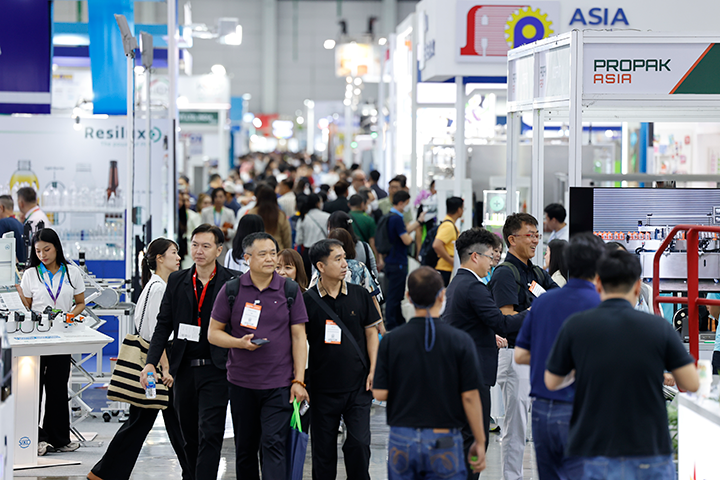
BANGKOK - Global conflicts are disrupting industries worldwide. The packaging sector is fighting back against surging raw material costs and shortages, with plastic resin prices jumping 50-70%. Informa Markets Thailand, the organizer of ProPak Asia 2026, reveals that operators are accelerating the shift toward alternative materials such as bioplastics, paper, natural rubber, and recycled materials, alongside upgrading to new machinery technologies. Most recently, Informa has partnered with the Thailand Institute of Scientific and Technological Research (TISTR) and other allies to elevate the Thai packaging industry by co-hosting the ThailandStar Packaging Awards 2026 at ProPak Asia 2026.
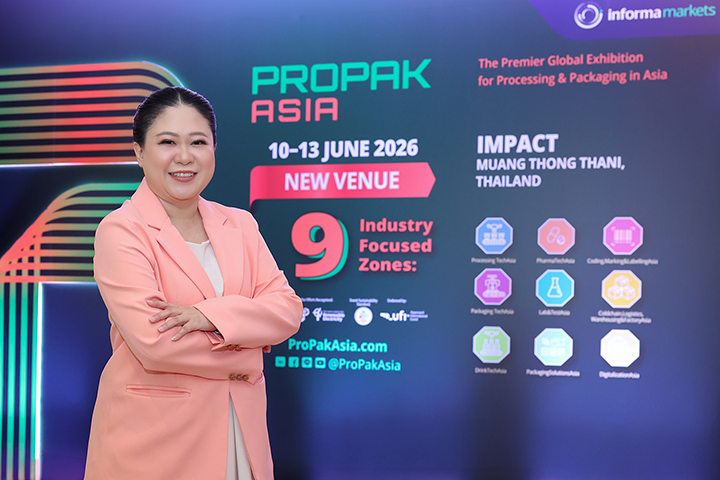
Ms. Kotchasorn Tocharoentanapol, Deputy Event Director at Informa Markets Thailand, and the organiser of ProPak Asia 2026, discussed the current overview and adaptation of packaging industry operators. She noted that global conflicts impact all sectors, particularly the packaging industry, which heavily relies on plastics and petrochemical materials. Raw material costs have soared, with plastic resin prices rising by 50-70% and facing market shortages. This crisis extends beyond Thailand; major Asian packaging production bases such as Taiwan, China, and South Korea are also affected, leading to halted exports and price hikes. In response, operators are accelerating the use of alternative materials such as bioplastics, paper, natural rubber, and recycled materials. AI technology is being utilized to analyze and enhance recycling efficiency or adjust packaging formulas, such as reducing film thickness by 20% or substituting partial plastic use with coated paper. Furthermore, investments in high-efficiency machinery are increasing. This improves packaging quality and safety, minimizes raw material usage and waste, lowers labor costs, and accommodates the integration of new alternative materials.
Regarding the global packaging industry overview, data from Fortune Business Insights and Mordor Intelligence indicates that the market is valued at over $1 trillion, growing at approximately 3-4% annually. Packaging serves as the economic infrastructure driving manufacturing, e-commerce expansion, and the food and beverage sectors. Today, the industry is undergoing a critical transition, heavily influenced by sustainability as the new standard. The sustainable packaging market is projected to grow roughly 7% annually, outpacing conventional packaging. This shift is supported by the Circular Economy concept, which drives the design of reusable or compostable packaging, requiring innovation to balance convenience, safety, brand image, and environmental responsibility.
Recognized as a premier platform for Asia's manufacturing, processing, and packaging industries, ProPak Asia 2026 has been selected by TISTR to co-host the ThailandStar Packaging Awards 2026. This initiative, in collaboration with partners such as the Thailand Institute of Packaging and Recycling Management for Sustainable Environment (TIPMSE), operates under the theme "Packaging Beyond the Box." The event aims to tangibly promote creativity, innovation, and competitiveness within the Thai packaging industry. ProPak Asia 2026 will also feature international technology showcases and special highlights, including the Creative Design Village displaying winning entries from the ThailandStar, AsiaStar, and WorldStar Packaging Awards; the Creative Design Box featuring works by leading Thai designer Champ Somchana Kangwarnjit; the Packaging Design Clinic offering expert consultations; and the Global Packaging Forum to update attendees on global trends and sustainability.
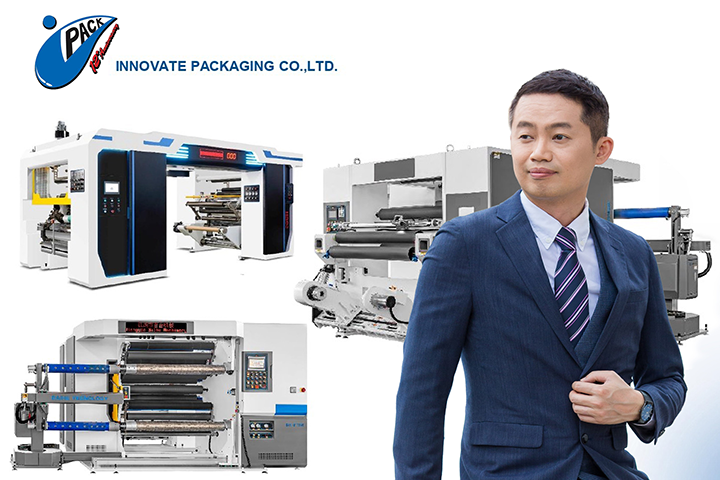
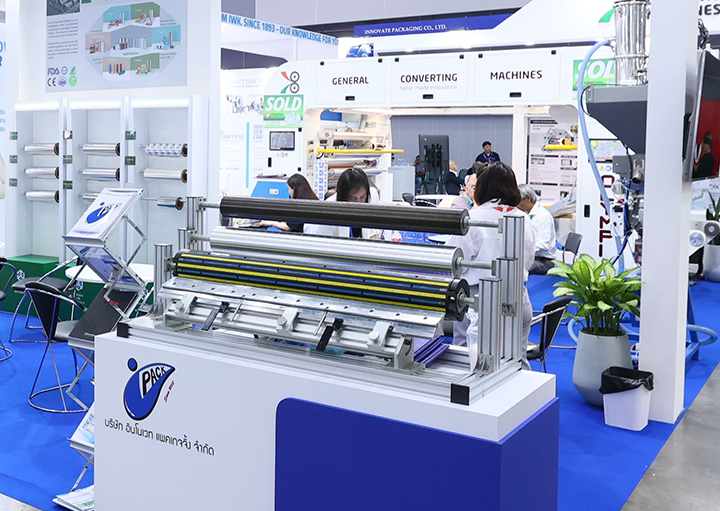
Mr. Paiboon Sruamsiri, Managing Director of Innovate Packaging Co., Ltd., a distributor of packaging machinery, raw materials, and services, stated that the food and beverage packaging sector is moving toward two main trends: the use of eco-friendly materials and food safety. Consumers increasingly prioritize biodegradable and recyclable packaging, compelling operators to change raw materials. Stricter food safety regulations also require operators to obtain various standard certifications. Current challenges include raw material shortages, volatile costs, rising labor wages, and production waste. The optimal solution is investing in modern technology and machinery. The company has developed and selected machinery to reduce costs across multiple dimensions. For SMEs, it is recommended to first address production bottlenecks and gradually expand investments according to business capabilities.
Innovate Packaging's client base includes printing houses and packaging operators who value the company's integration of modern machinery with raw material sourcing and after-sales service from expert engineers. The company's business encompasses packaging machinery (e.g., printing, pouch-making, and laminating machines), raw film materials (e.g., PET, PE, OPP, NYLON, MCPP, ALU, and MPET), adhesives (both solvent-base and solvent-free), spare parts, and comprehensive OEM services. At ProPak Asia 2026, the company will present exciting innovations, including AAA-grade machinery imported from Japan, machine fire suppression systems, and ink viscosity controllers. It will also feature products aligned with sustainability trends, such as high-barrier and mono-material films designed for easy recycling, solvent-base and solvent-free adhesive innovations, and full-service OEM solutions.
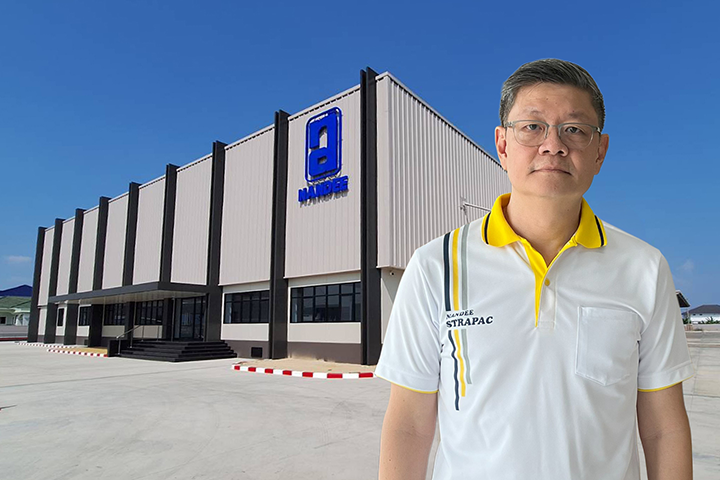
Mr. Sitti Sirichanyakul, Managing Director, Nandee-Strapac Co., Ltd., an importer and distributor of packaging machinery and solutions, elaborated on the shift toward eco-friendly packaging among food and beverage exporters. Operators now prioritize reusable or biodegradable materials to align with global green packaging and sustainability trends. This shift requires the rapid transition of the packaging industry toward sustainability, involving the development of new materials, technology-driven production improvements, and packaging designs that optimize transportation and reduce waste. Consequently, end-of-line packaging systems are increasingly substituting plastic with paper or utilizing biodegradable bio-grade plastics, alongside machine technologies that minimize plastic usage.
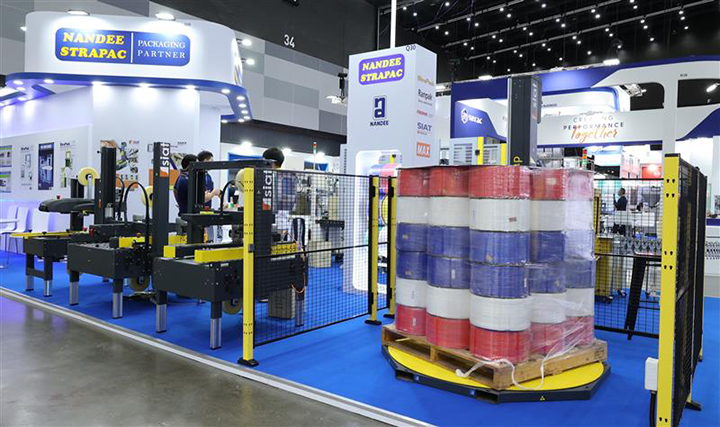
Nande-Strapack's core strength is its collaboration with world-class machinery manufacturers, including STRAPACK (Japan), SIAT (Italy), and RANPAK (USA), to provide consultation and suitable technologies to operators, especially SMEs. The company's machinery is divided into three categories: strapping machines and equipment (using PP and PET straps); carton sealers and pallet wrappers (for taping and stretch wrapping); and protective packaging solutions featuring innovative paper alternatives to bubble wrap to prevent transit damage. At ProPak Asia 2026, the company will highlight "LINE PACKING AUTOMATION" technology, demonstrating the full potential of automated systems to replace manual labor. It will also showcase paper-based innovations replacing plastics, such as protective paper and paper for strapping or packaging, directly addressing plastic shortages and environmental conservation.
ProPak Asia 2026 is scheduled to take place from June 10-13, 2026, at the IMPACT Exhibition and Convention Center, Muang Thong Thani. For more information and event details, please visit www.propakasia.comOrganised by:

Strategic Partner:

Sustainability | Our efforts recognised:


Event Sustainability
Standard:
Endorsed by:

Official Supported by:



International Partners:









Knowledge Partner:

Investor Network Partners:


Sustainability Partners:




Transportation Partner:

Supported by:































Exhibition Partners: